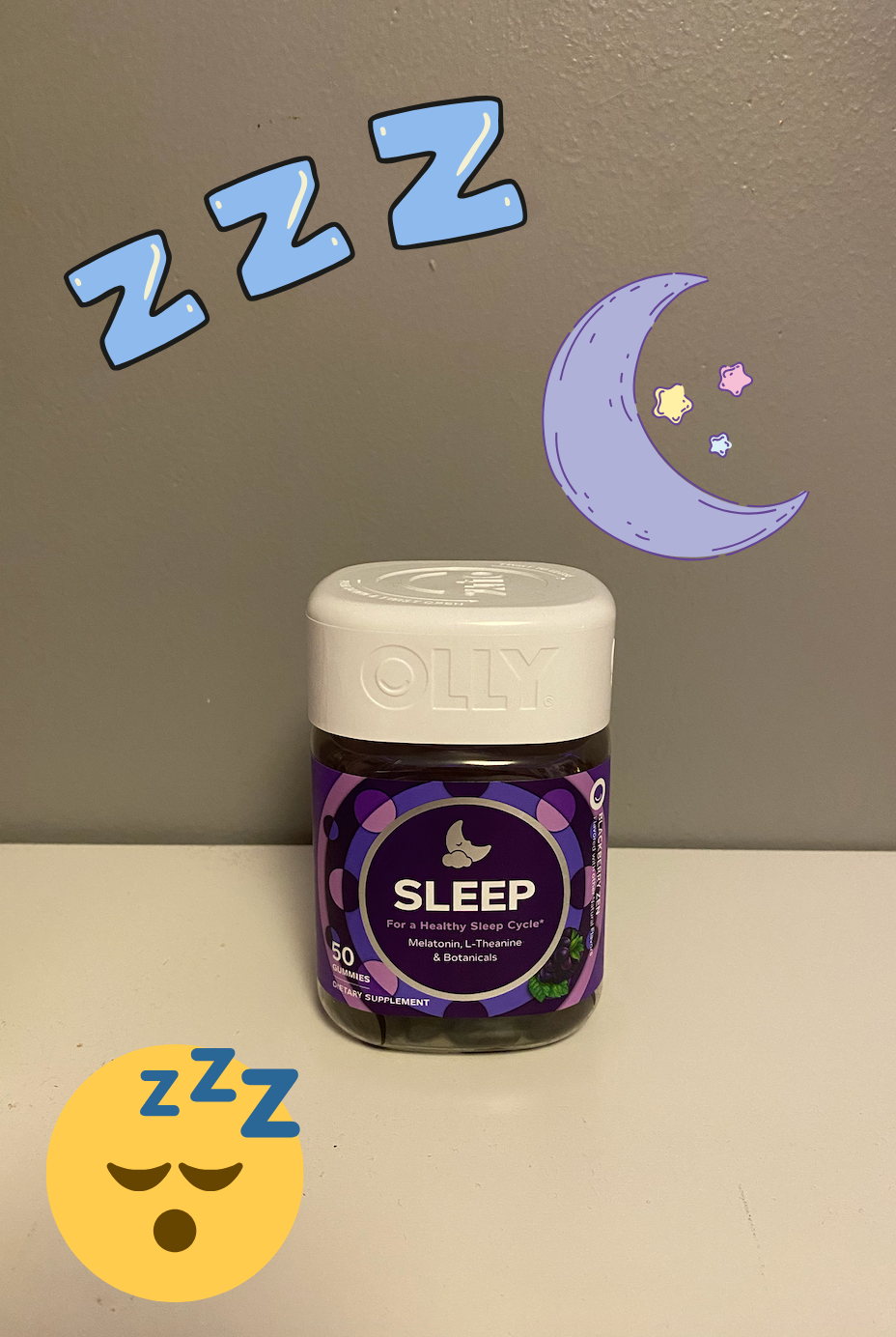
Many people view melatonin as a safe and natural way to help aid sleep. This affects students in particular, who sometimes rely on medications like melatonin to help them fall asleep on time and get enough sleep before school. However, when used too often, melatonin can start to cause serious negative effects.
Melatonin is a hormone that your brain naturally produces to signal that it is time for rest. The maximum safe limit is 10 mg per day, and 0.5 to 3 mg is what is actually recommended.
The majority of individuals don’t realize that melatonin simply isn’t just a “sleep drug.” Melatonin is a signal, not a sedative.
Melatonin works by releasing signals to your brain in response to sunlight; when released, your overall temperature drops, and drowsiness occurs. That is why timing matters more than dosage.
Chemistry teacher Julia Stricker-Balisteri says that while this medication helps you fall asleep, “it can mess with your melatonin levels.”
Individuals convinced who think they need melatonin are often on their screens too late before bed. This can disrupt their sleep schedule by affecting the amount of natural melatonin released. Blue light can trick your brain into thinking it’s not late.
Riordan student Sienna Lee ’26 explains that “I used to not be able to sleep very well, until I started to reduce the amount of time I’m on my phone before bed. Now it’s easy to fall asleep on school nights.”
The reason melatonin can quickly become so harmful is that it’s not intended for daily use. Users can easily build up a tolerance, causing many to increase their dosage.
Doctor of clinical psychology, Jennifer Lainez, states that “too much melatonin can easily disturb hormones and make someone unable to get out of bed in the morning. This chronic fatigue often leads to anxiety and depression.”
Taking too much melatonin can turn into a cycle; if tolerance is too high, people feel the need to take more milligrams to get to sleep. This leads to more fatigue throughout the day and higher caffeine intake. This amount of caffeine makes it hard to fall asleep at night, completing the cycle.
Melatonin can be helpful when used sparingly and in small doses, but harmful, especially for teenagers, when used regularly at higher doses. Teenagers should be safe and aware when taking seemingly harmless medications, and maybe look for the root cause of their insomnia before turning to medication for the answer. Being mindful of sleep habits and screen time can often do more for a good night’s rest than any pill.
Healthy sleep routines, consistent bedtimes, and limiting late-night screen use are key. Small changes now can prevent bigger problems later. Ultimately, lasting rest comes from balance and awareness, not quick fixes.