Joan Shakespeare Hart, William Shakespeare’s younger sister and John’s Shakespeare’s daughter, is believed to have written a religious document revealing the Protestant Shakespeare family’s possible stance on Catholicism.
This religious document held an obscure 17th century Italian religious tract named The Last Will and Testament of the Soul where the writer pledges to die a good Catholic death.
In 1757, a bricklayer found a religious document in the rafters of the Shakespeare House in Stratford-upon-Avon, England signed with the name “J. Shakespeare.”
Logically for that time, people attributed it to John Shakespeare.
However, scholars at the University of Bristol hypothesized that it was instead Joan Shakespeare. Joan was William’s younger sister who has been only mentioned a few times in history.
Jack Reardon, assistant director for Riordan drama, said, “If Shakespeare was indeed Catholic, that would bring more depth to what historians understand about him.”
Scholars used internet archives to find the religious tracts in seven languages and conclude that the document was written after John’s death.
Study author Matthew Steggle later highlighted the importance of this find. In a statement reported on AOL, Steggle said, “There are hundreds of works surviving from her brother, and until now, none at all, of any description, from her”
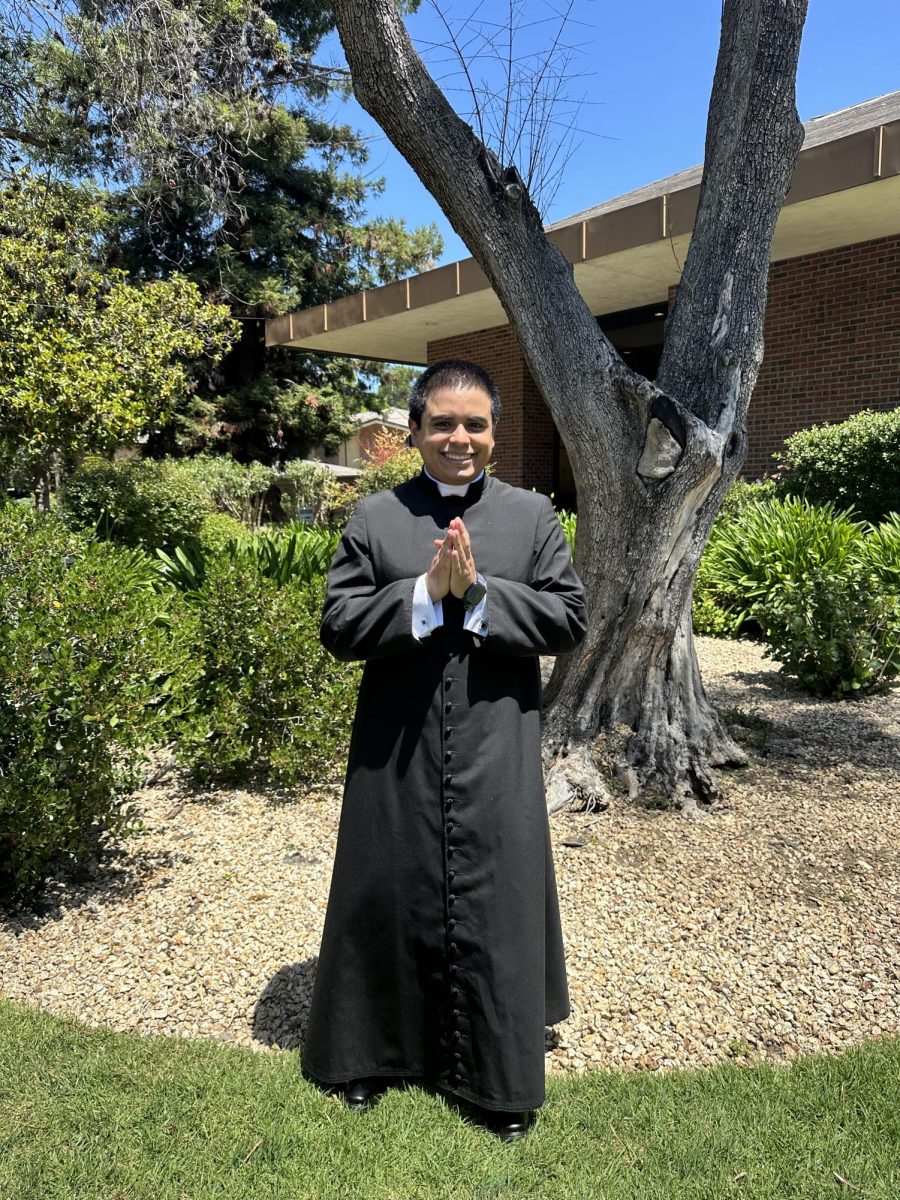
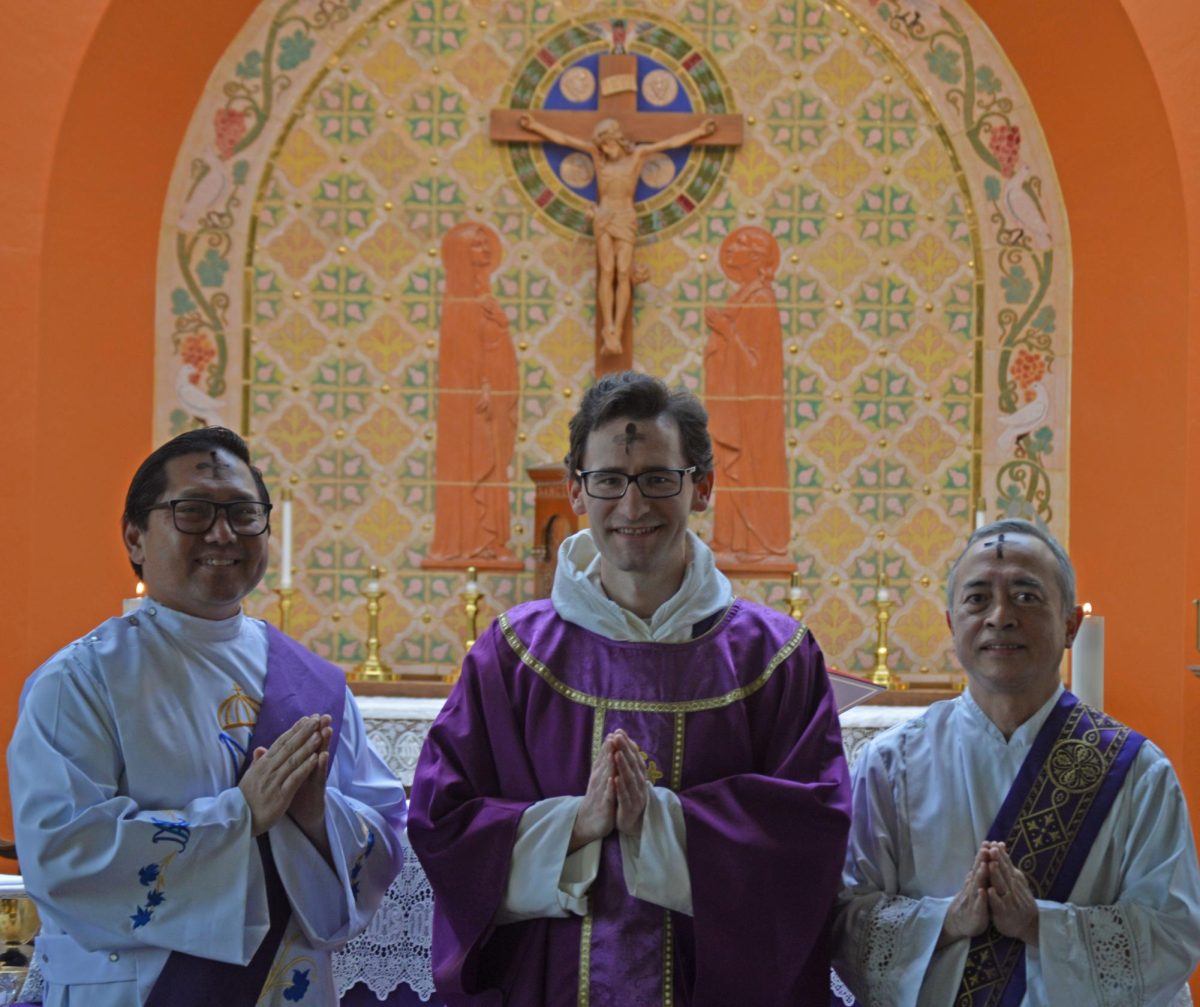
In addition, Riordan Deacon Chris Mariano believed, “The research will show us how [the family] actually lived their faith… Because, living [one’s] faith can be in secret, and I think that is what happened in this instance.”
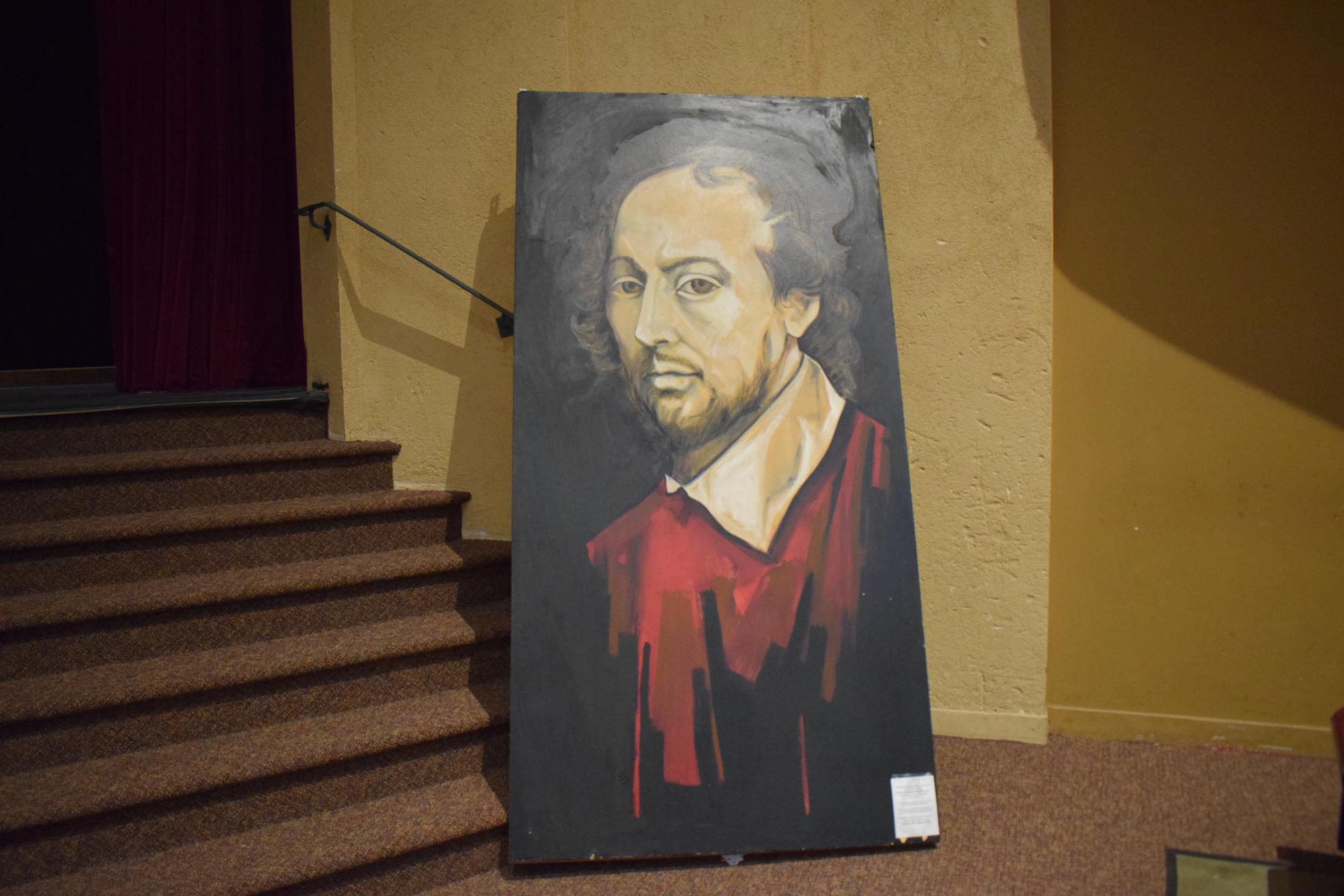
Shakespeare was known to be a secretive person. For example, during his lifetime, he left behind no letters, no handwritten manuscripts, few contemporary accounts, and six signatures that he signed differently each time.
It is theorized that Shakespeare’s life of secrecy was partially due to the family being Catholic sympathizers.
Furthermore, some believe that Shakespeare himself received a Catholic communion on his death bed.
Alexandra Greenbaum ’29 said “[People] shouldn’t feel socially or politically pressured to conform like people had done in the 1700s with their religious beliefs. They should feel safe to express themselves through any means such as art.”
If these findings are proven true and further evidence corroborates these claims, one thing can be certain: While William Shakespeare was writing his many famous performances in London, Joan Shakespeare was writing religious documents in Stratford-Upon-Avon during the 1700s Protestant era.
And if this is true, that the Shakespeares were Catholic, people might look at his plays and sonnets through a different lens, knowing he was hiding his true faith in plain sight, in the court of Queen Elizabeth I, which could have cost him not only his livelihood, but his life.
In Henry IV, Part II, Henry V says, “Presume not that I am the thing I was, for God doth know, so shall the world perceive, that I have turn’d away my former self.”