Once nearly extinct, California condors have made a home in the East Bay, returning to Alameda and Contra Costa counties after a century of dormancy.
The return marks a milestone in a decades-long effort by conservationists to return their habitat and reduce poaching.
Their efforts grew the condor population from just 22 in 1982 to 400 as of 2025, according to The Mercury News. Of those, 110 have found a home in central California, giving hope that they may once again thrive in their historic range.
Conservation efforts are still ongoing today, as the Oregon Zoo recently announced the first five California condor eggs of 2026 with more expected in the coming weeks.
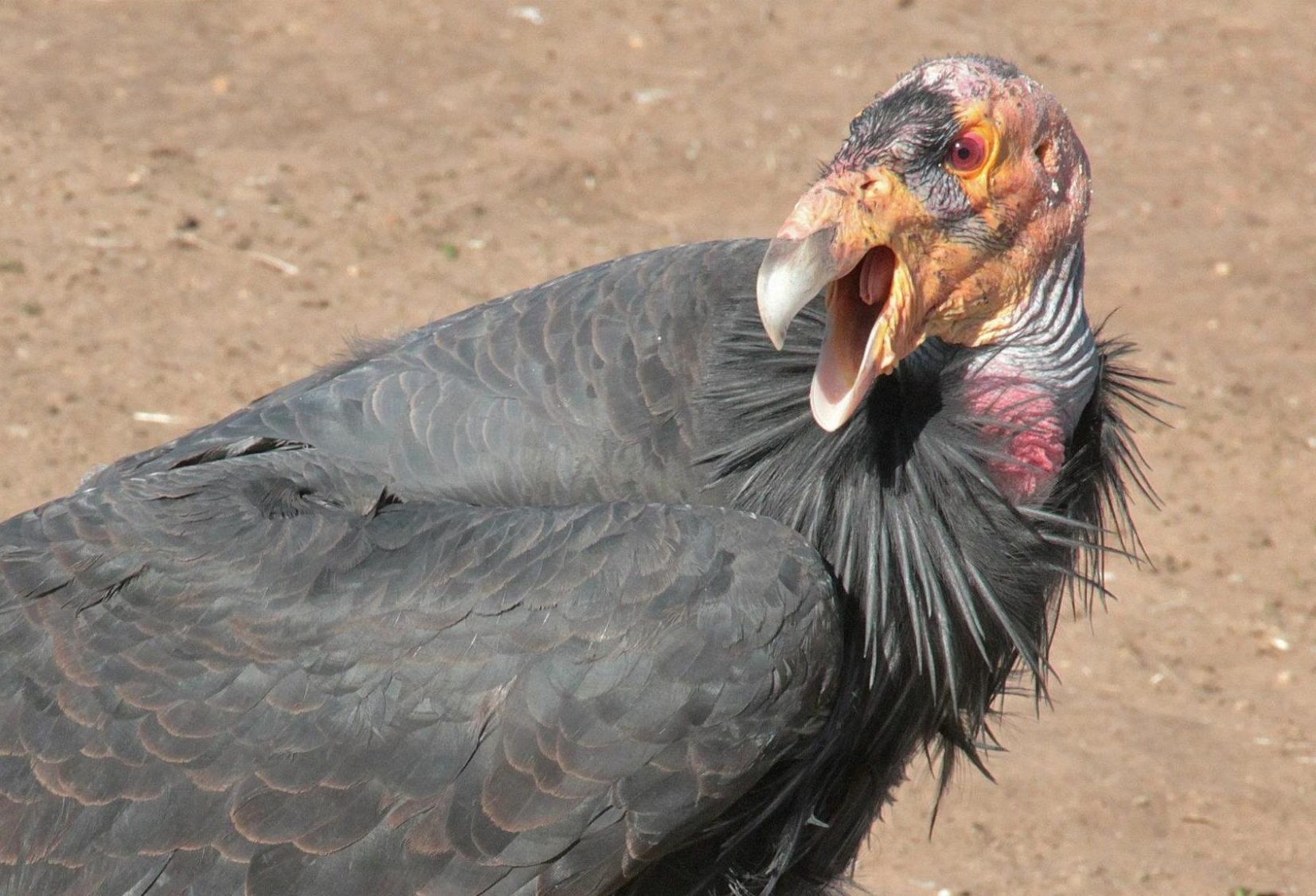
Condors are the largest flying bird in North America, known for their bald pink head and neck. They can reach a top speed of 55 miles per hour, and altitudes up to 15,000 feet.
Condors play a crucial role in the environment, making their return critical in improving the ecosystem of the East Bay. They eat animal carcasses, preventing diseases like rabies from spreading.
“Condors are often apex predators and keystone species that are critical for ecosystem balance and maintaining biodiversity,” noted Riordan AP Environmental Science teacher Michael O’Brien.
Their recovery from near extinction brings hope to conservation efforts and brings hope that efforts from the world community may be able to bring other endangered species back from the brink.
“The rebuilding of the condor’s population shows that other endangered species can also be saved with enough dedicated work,” observed Lake Takagi- Crouch ’28.
For those lucky enough to see them in the wild, condors are impossible to miss. They have many unusual features, like their giant 10-12 feet wingspan, that often surprise first-time observers.
Hiker Colleen Ryan, who was walking on an Oakland hills trail, said she knew that condors were endangered, but didn’t know much else. She pulled out her phone and ended up being pretty impressed by what she learned.
“They can fly incredible distances in a single day, eat just about anything they can find, and even play-fight,” she said. “Their famous bald head keeps them clean when they’re feeding on carcasses.”
Oregon Zoo’s Jonsson Center for Wildlife Conservation announced the hatching of “the first two fluffy California condor chicks of 2025” and called it “another promising year in the effort to save this critically endangered species.”
According to their website, “The new chicks are healthy and active, which is just what we hope to see,” said Kelli Walker, who oversees the zoo’s condor recovery efforts. “The parents are caring for them around the clock, and everyone is doing really well.”
Many Californians know very little about the California condor, which is exactly why efforts to return the species to its natural habitat are so important. Once people understand what makes endangered species unique, conservation efforts are more likely to succeed.