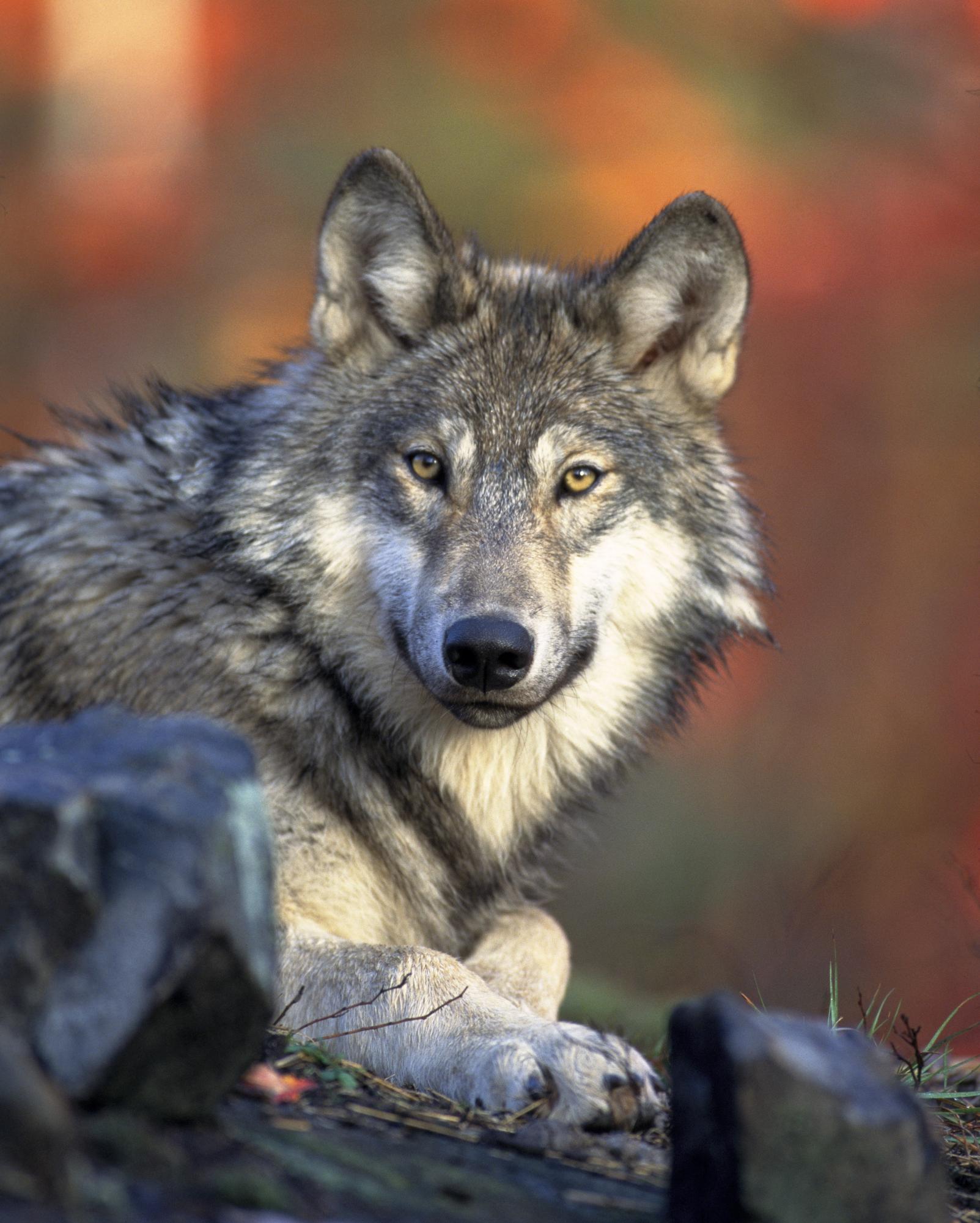
Wolves are a sacred species within the state of California, having resided in their habitat for decades. A multitude of plants depend on wolves to survive, as they lower prey populations such as deer and elk and prevent overconsumption of vegetation.
Michael O’ Brien, Riordan AP Environmental Science teacher, explained how wolves affect the ecosystem, saying, “Interestingly enough if wolves are removed from being apex predators from an ecosystem, there will be less biodiversity in the ecosystem itself.”
Wolves have a strong historical background in the state of California, dating back to 1750. Historic records indicate that wolves were active within the Coastal Range from San Diego to Sacramento. They were a sacred animal to the Indigenous tribes within California, showing significance in powerful creation stories and impactful legends.
Wolves were endangered throughout the 1920s due to California bounty laws that removed wolves to protect livestock. They were captured within many California counties and were at risk of extinction. However, in 2015, their population was able to bounce back because of a national migration of wolves from Oregon.
“Wolves want to live in the wild and really don’t care about interacting with human beings. They’re not out to get us, they’re just living their lives,” O’Brien said.
In 2011, a wolf named OR7 from the Imnaha pack was tracked by the Oregon Department of Fish and Wildlife. They recorded how the wolf traveled through California and marked OR7 as the first documented wolf in California since the 1920s.
Ciera MasIsaac, a worker at the California Wolf Center, said, “California now has over 70 wild wolves in the state, which is an incredible milestone. Their natural return and gradual repopulation reflect successful conservation efforts and legal protections. Wolves can help restore ecological balance and contribute to healthier, more resilient landscapes.”
Northern California has become a habitat for well known wolf packs, including the Lassen, Beckwourth, and more. The wolf population in California has been increasing since 2011, including a 59 percent increase of documented wolves within the last three years.
AP Environmental Science student Marcelo Quinonez ’26 expressed, “I think they are pretty rare so it can be a special moment when you do across them. Gray wolves naturally make a slow comeback so they are protected under California’s Endangered Species Act, ensuring they have a safe comeback into wildlife.”
Wolves are crucial to California’s ecosystems, allowing plants and animals to flourish through regulating prey.