
230,000 miles from earth, 121 hours after liftoff, the Crew of Artemis II became the first astronauts to once again view the dark side of the moon after 56 years of mystery.
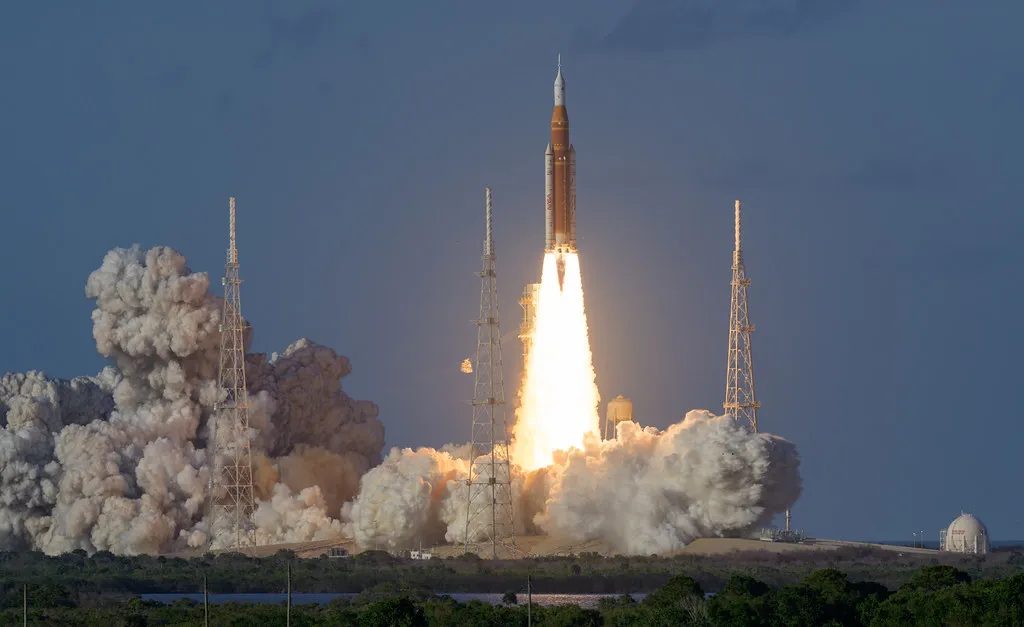
The mission to circle the moon, launched April 1 from NASA’s Kennedy Space Center on the east coast of Florida. Three hours and 15 minutes after the astronauts were safely in the Orion capsule, time hit 0 and they rocketed into the sky by the space launch system (SLS).
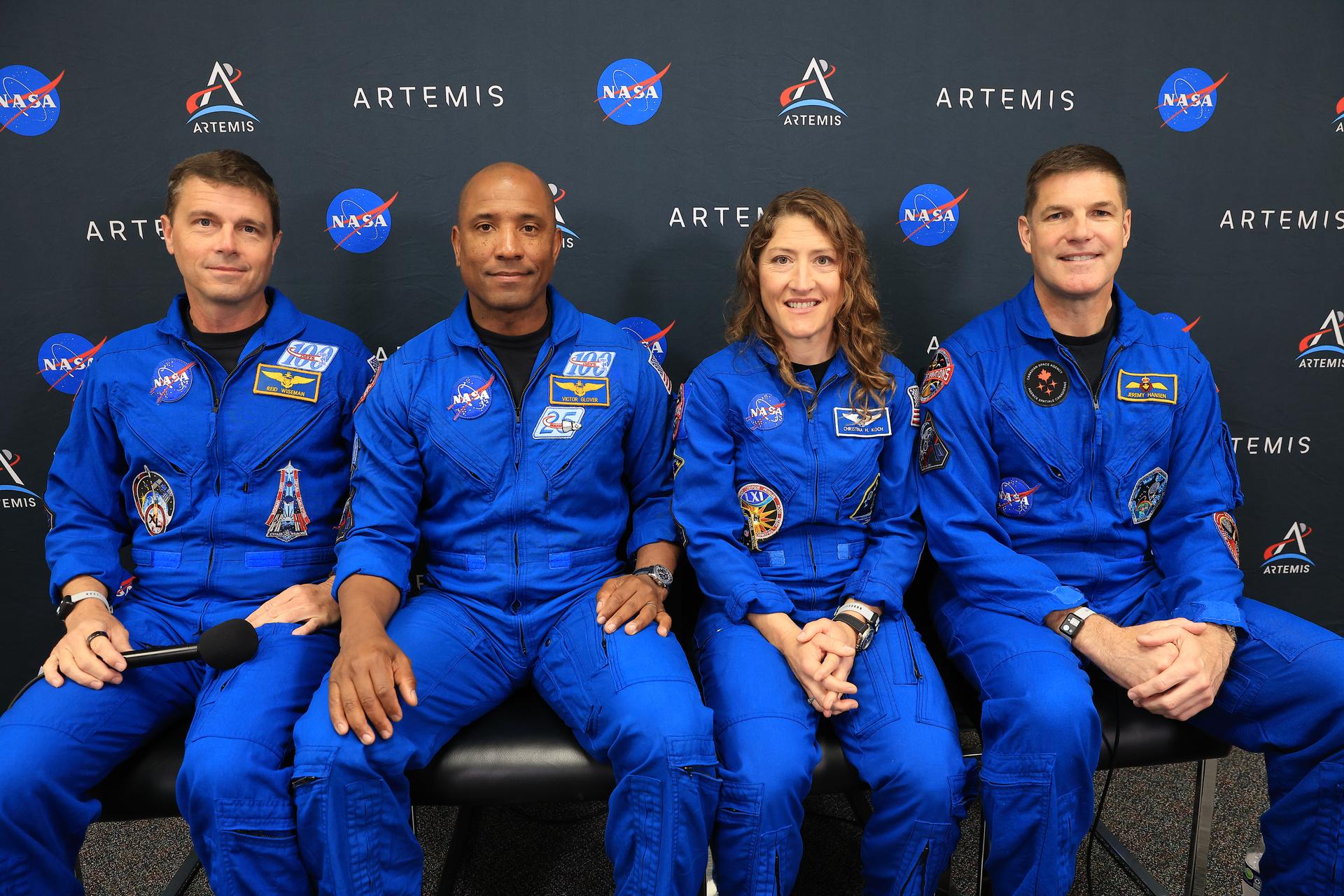
Astronauts Reid Wiesman, Victor Glover, Christina Koch [“Cook”], and Canadian Jermy Hansen, will fly in a figure eight path to and around the moon.
“I think it is exciting and ambitious that they are expanding exploration to the moon again,” Mikayla Cheng ‘26 expressed.
After circling they will utilize the Earth-Moon gravitational field to have a fuel efficient return home.
Many astronomical milestones will be met on the Artemis II mission.
“It’s so inspiring to hear that a woman will be circling the moon, especially since Christina (Koch) is so qualified,” commented Jessica Cheung ’26.
On this mission Koch will become the first ever woman to fly around the moon. Victor Glover will become the first man of color to fly around the moon. The first Canadian astronaut, Jeremy Hansen, will also be flying around the moon.
Moreover, this is the first crewed test flight of the Space Launch System (SLS) and the first ship to ship communication in space will occur between Orion and the International Space Station (ISS).
“As an aspiring engineer, this is inspirational to see how far engineering has come and how far it can go in the future,” Zareh Arabatyan ’27 shared.
The proximity operations demonstration will be performed by the astronauts three hours and 24 minutes post launch while in earth’s orbit. Astronauts will assess Orion’s handling qualities through this manual operations test.
Utilizing visuals through windows and cameras, they will navigate to the docking target: the freshly separated Interim Cryogenic Propulsion Stage (ICPS) and Orion stage adapter.
“This has to open up new possibilities for future missions. That’s insane,” exclaimed Evan Wong ’27.
Four days and 22 hours post launch the crew will orbit the moon. As they observe the lunar surface, the crew will experience an expected communications blackout. Exiting the lunar sphere of influence, The crew will be debriefed and initiate a return trajectory correction burn towards home.
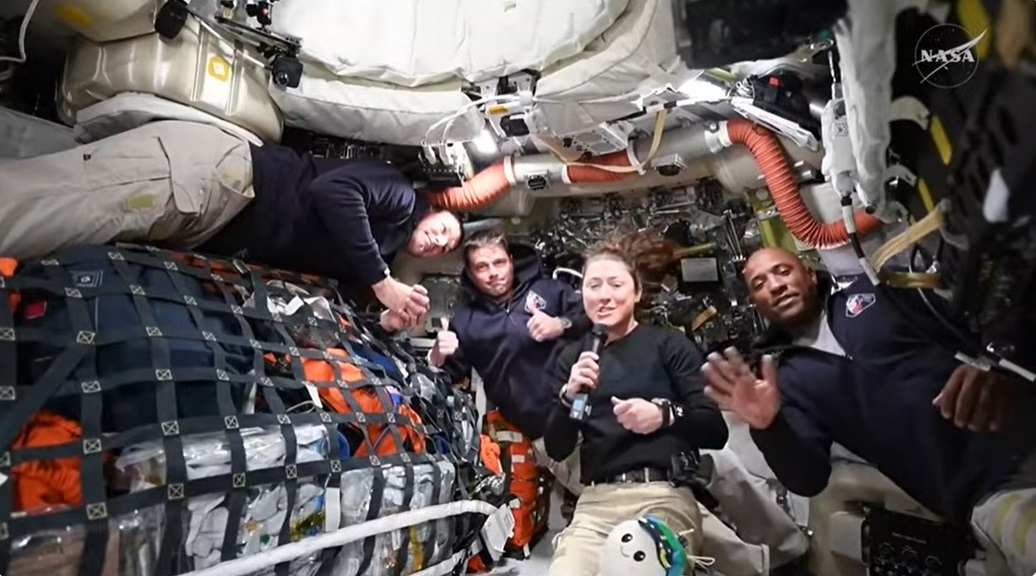
Artemis II crew members Jeremy Hansen, Reid Wiseman, Christina Koch, and Victor Glover answer questions from reporters during the first downlink event of their mission.
During re-entry the crew will experience up to 4G’s as Orion enters the atmosphere at 25,000 miles an hour, warming up to 5,000 degrees Fahrenheit.
The crew’s descent begins with three forward bag cover parachutes deploying. These separate the thermal cover protecting the rest of the parachutes. After two drogues stabilize and slow the capsule to 307mph, three pilot chutes will lift the main parachutes.
With these, Orion will slow from 130mph to 17 mph for splashdown in the Pacific Ocean–thus concluding the nine day, one hour and 46 minute journey.
“This is a big first step to the next real leap forward for humanity in 50 years,” Wong expressed.
While not everyone gets the chance to fly into space on a seemingly random Wednesday, all dreams start somewhere like Hansen’s cardboard spaceship in his backyard. Inspiration comes in different ways.
Perhaps it may spark at five years old, watching a 747 carry a space shuttle like it did for Wiseman. Or maybe it comes from a suggestion, like that by Glover’s father, to consider becoming an astronaut. Maybe, like Koch, all your life you have felt driven to explore.
Wherever inspiration comes from, the crew of Artemis II flies on a mission for all humanity to prove anything is possible for anyone.